How to Sleep in a Van: Our Best Campervan Sleep Tips
In the five years we've spent living and sleeping in a campervan we've had our share of bad nights. Parked at angles that meant our feet were higher than our heads. Winds so strong we felt as though we were being thrown about on a rollercoaster. Loud groups of boy racers whizzing past our windows doing donuts around our precious home on wheels. We’ve experienced it all.
But along the way, with a lot of trial and error, we’ve picked up lots of essential tips and tricks that actually make a difference. And the good news is that there’s plenty of stuff you can do to improve your chances of getting a great night’s sleep. Here’s everything we’ve learned about how to sleep in a van successfully.
Jump to:
1. Have an actual bed
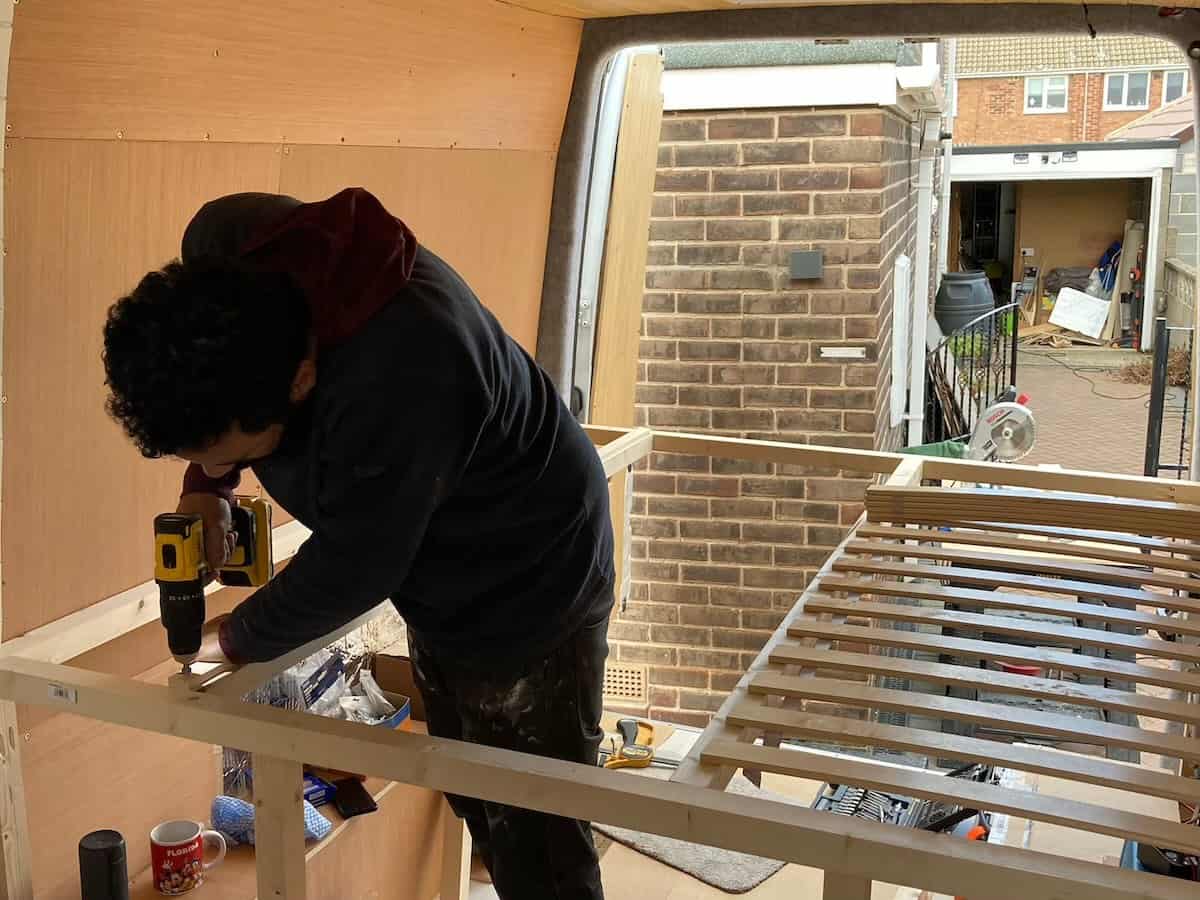
When we designed our campervan, one of the first major layout decisions was around what type of bed we were going to have. There are lots of different options to choose from. But the main consideration comes down to whether you go for a convertible bed or a fixed one.
We're not gonna wade into the whole debate over which is “better”. Honestly, it depends on your specific needs, van size, and how you use the space during the day. But from a purely comfort perspective, a fixed bed is indisputably superior.
With a convertible bed, you’re rebuilding your sleeping setup every single night. This means shifting cushions, folding down tables, rearranging seats. It’s a hassle at the best of times, and after a long day of driving or exploring, we knew it would be the last thing we would want to deal with before bed.
It also means your “mattress” is really just a bunch of cushions doing double duty as seating during the day. You’re probably going to have some gaps and cracks and lumps. And so in our opinion it’s just nowhere near as comfortable as an actual mattress designed for sleeping.
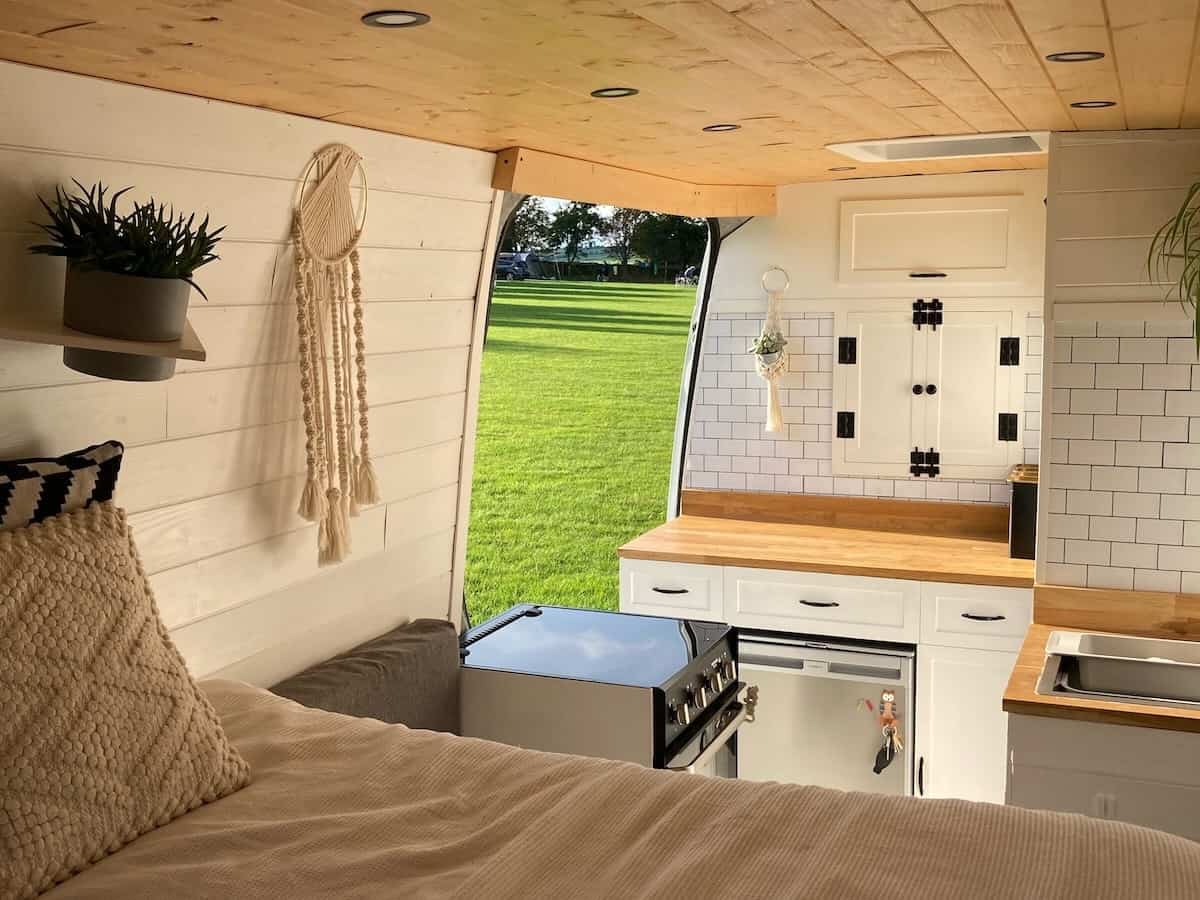
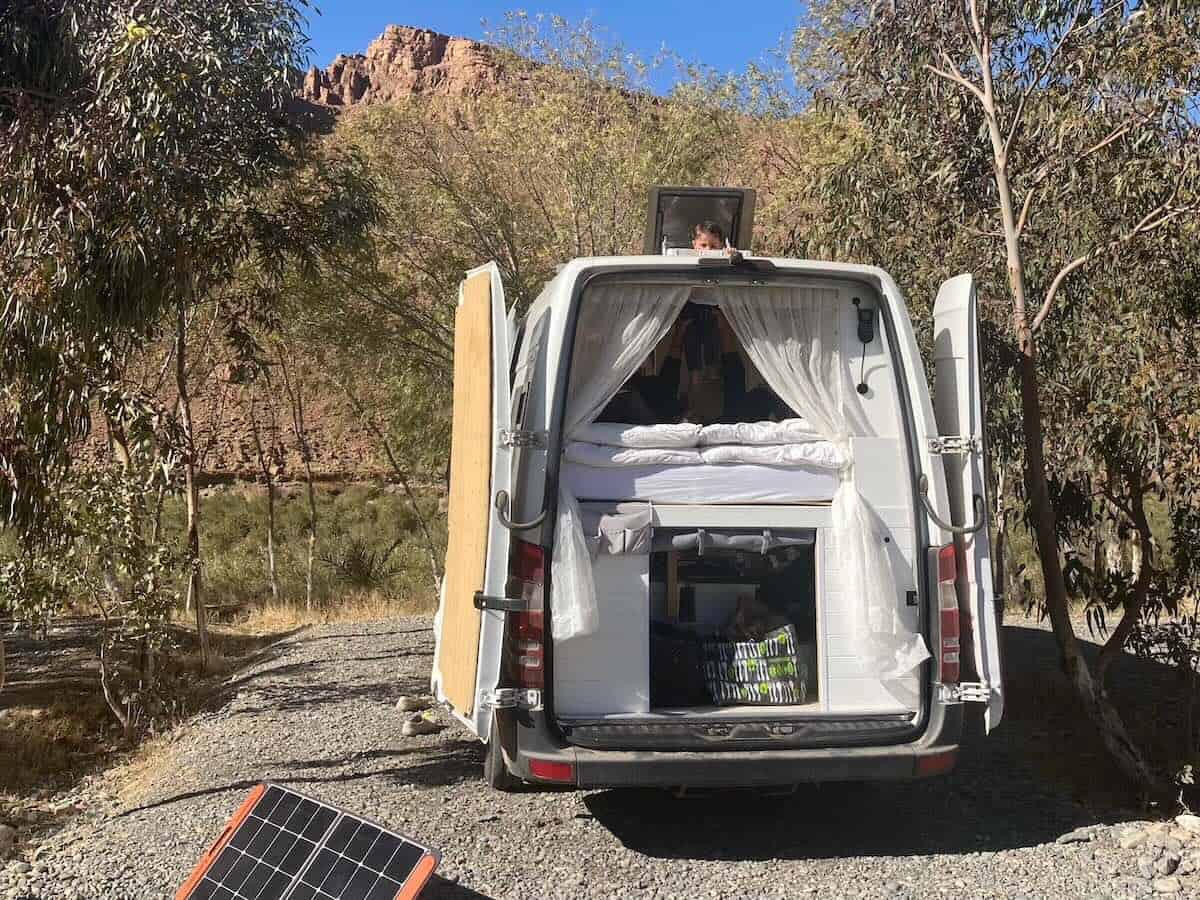
A fixed bed removes all of that. It’s always made up, always ready, and, crucially, it means you can invest in a proper mattress rather than a multi-purpose cushion setup. That decision alone had a bigger impact on our sleep quality than almost anything else in the van.
2. Invest in the best campervan mattress
If you’ve made the decision to prioritise quality sleep and opted for a fixed bed, choosing the best campervan mattress for your needs is arguably an even more important step. So many people we know who have built a van underestimated this and regretted it later! A van mattress definitely isn’t a place to cut corners.
If you’re anything like us you’ll spend most of your days out and about, exploring or hiking or doing some other physical activities. But even just after a long day of driving, the last thing you want is to lie down on a mattress that leaves you tossing and turning trying to find a comfortable spot, so the right one is essential.
Sleep isn’t just about comfort either. If you’ve a long drive ahead, being well rested is essential for staying alert and safe behind the wheel. A bad night’s sleep doesn’t just leave you groggy. It genuinely affects your reaction times and concentration. This matters a lot more in a van than it does at home. These effects can be amplified if you’re driving unfamiliar roads in a foreign country on the opposite side of the road to what you’re used to.
A good mattress, like the range from Simba Sleep, should support your body properly rather than leaving you sore, help regulate temperature so you’re not overheating in summer or freezing in winter, and feel like an actual bed rather than a compromise you’ve made for van life.
If you’re building out your own van or upgrading an old setup, it’s worth treating the mattress as a priority purchase rather than an afterthought.
3. Pick the right park-up spot
Where you actually choose to park up your campervan can have a huge impact on your sleep for various reasons. And it’s not always easy to predict at first glance.
A spot that looks fine at 6pm can turn into a literal nightmare at 2am if it’s next to a busy road, a late-night bar, or a route that lorries use through the night. We have unfortunately learnt this the hard way.
Knowing where to park your van to sleep comes down to a few key things you should look for:
- Flat, stable ground is an absolute must and we often spend a fair amount of time double checking this. Beyond comfort, sleeping at an angle all night is surprisingly tiring. Levelling ramps are essential if you can’t find flat ground although be careful and considerate of where you actually use them.
- Away from other likely late night activity. Car parks near bars, viewpoints that double as local hangout spots, or anywhere known for late arrivals and doors slamming are all worth avoiding if you want an undisturbed night.
- Somewhere you feel safe. Trust your instincts about a spot. If somewhere doesn’t feel right, it’s always worth moving on, even if it costs you some time. We’ve rocked up to many a parking spot, got an off vibe - sometimes for no tangible reason - and simply moved on. It’s not worth the risk so listen to your gut.
- Away from main roads. Even a spot that seems quiet can back onto a road that gets a steady stream of traffic overnight. A short walk or drive further off the main route usually makes a big difference.
Whether you love them or hate them, apps and communities built around van life are really useful here. Spots that have been used and reviewed by other van lifers tend to be safer bets than picking blind. We tend to use Park4Night but there are plenty of others depending on what country you’re in.

4. Feel secure
Comfort is only half the story of getting a decent night's sleep. If your mind is on edge about safety, blackout blinds or a perfectly flat spot aren’t going to get you a proper rest. Feeling secure is all part of feeling comfortable.
Here’s a few safety tips that help us switch off at night:
Park somewhere you can drive off quickly. We always avoid boxing ourselves in and where possible reverse in or position the van so we’re not stuck attempting a 15 point turn if we need to scoot in a hurry.
Even though we designed the back of our van to be closed off from the front, we included a hatch connecting the living area to the cab. This allows us to get into the driver’s seat and drive away without ever having to open a door or step outside if something’s going on around us. If you’re still at the design stage we’d suggest considering something similar if you’re not planning an open setup.
Lock the doors. It sounds obvious, but it’s an easy thing to forget after a long day. We got into the habit of locking up as soon as we close the side door and then checking again just before we go to sleep, every single night. We know of people who have had their doors opened whilst they slept because they neglected to lock them which is frankly terrifying.
None of this is about being paranoid, it’s just about giving yourself peace of mind. Plus it’s better to be prepared for any eventuality than regret something afterwards. Knowing you’re secure lets your brain actually relax, and that’s half the battle when it comes to getting good sleep on the road.
5. Blackout everything
It’s scientifically proven that light plays a huge role in how well you sleep - a dark environment helps your body produce melatonin, the hormone that regulates your circadian rhythm, and even small amounts of light overnight can disrupt that process. In a van where you might have multiple windows and rooflights and fans, plus the fact that you don’t have full control over your surroundings, this becomes a much bigger issue.
We designed and made our own blackout blinds to fit each of our windows exactly, attaching them with magnets straight onto the window frames. It’s a simple solution, but it makes a real difference to stopping any unwanted light getting in. This is especially true when we’re parked near or under street lamps, which a lot of people choose to do for safety reasons.
Getting your blackout setup right means you can pick a well lit, secure spot to park without sacrificing sleep quality, or simply not be woken up at 5am by the rising sun.
6. Get the temperature right
Temperature is one of the biggest sleep disruptors to van sleep, and honestly it’s one of the hardest ones to get right. Being too hot or too cold doesn’t just make it harder to fall asleep, it also drags you out of deep sleep repeatedly through the night, even if you don’t necessarily wake up and remember it in the morning.
Consistency matters just as much as getting the right temperature in the first place. A van that’s warm when you go to bed but freezing by 4am is going to interrupt your sleep just as much as one that’s too cold all night.
Here’s a few things we find that help:
Good insulation. This is the foundation everything else builds on and the reason we spent a lot of time and money getting our insulation right. A well insulated van holds heat far more effectively, which means whatever heating you’re using has to work a lot less hard to keep things consistent. Not only that but conversely insulation also acts as a thermal barrier when it’s hot and sunny outside, preventing heat from radiating into your living space.
A diesel heater or electric heater. Both are popular options among van lifers, and either can keep the van at a steady temperature overnight without needing constant adjustment. We installed a diesel heater and it’s incredibly effective, heating up the space in minutes and costing barely anything to run.
Layered bedding. Being able to add or remove a layer without getting up means you can react to how you’re actually feeling rather than the temperature the van started the night at. We tend to have a duvet and a separate thin blanket on top of that to keep us warm. If it’s too hot we can remove either one to regulate the temperature.
Ventilation in warmer months. We have a roof vent directly above our bed and a roof fan at the front of the van. This setup creates a through draft which keeps air moving and stops the van feeling stuffy.
Getting this right takes a bit of trial and error, since every van and every climate is different, but once you’ve found your setup, it makes an enormous difference to how well you sleep.
7. Reduce noise
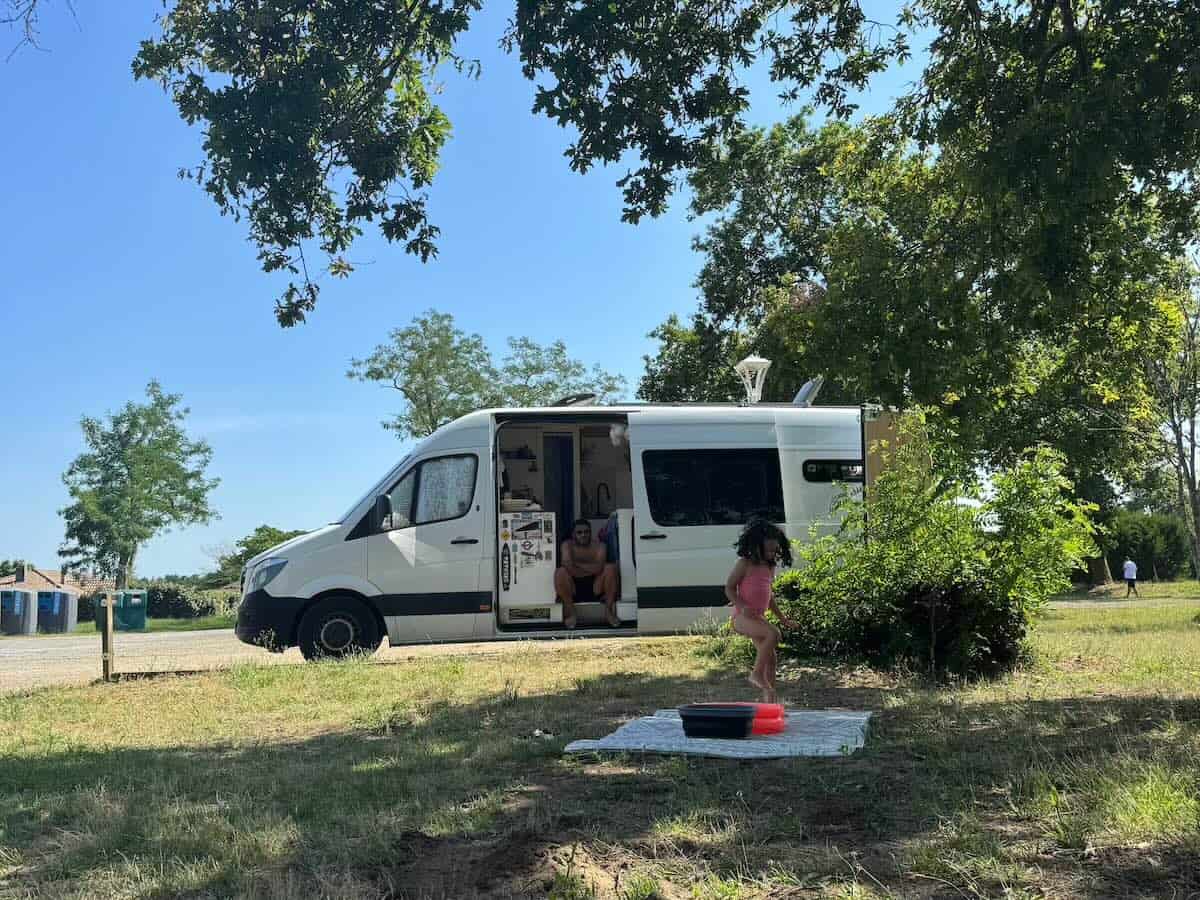
Noise is one of those things you can’t always control, and we’ve been disturbed and kept awake by everything from wind, rain and wildlife, to other vehicles and inconsiderate people.
It’s sometimes just not avoidable but here are a few ways to manage it:
Earplugs. We use Loop Earplugs and highly rate them. But you can also just get simple, cheap ones. Either way they are often the single most effective thing you can do to block out outside noise. It’s definitely worth keeping a pack in the van at all times to pop in when you need to.
White noise. Our Maxxfan, even though it’s not necessarily loud at the level we tend to have it on at, can still help mask noise from outside and replaces it with something steady and predictable.
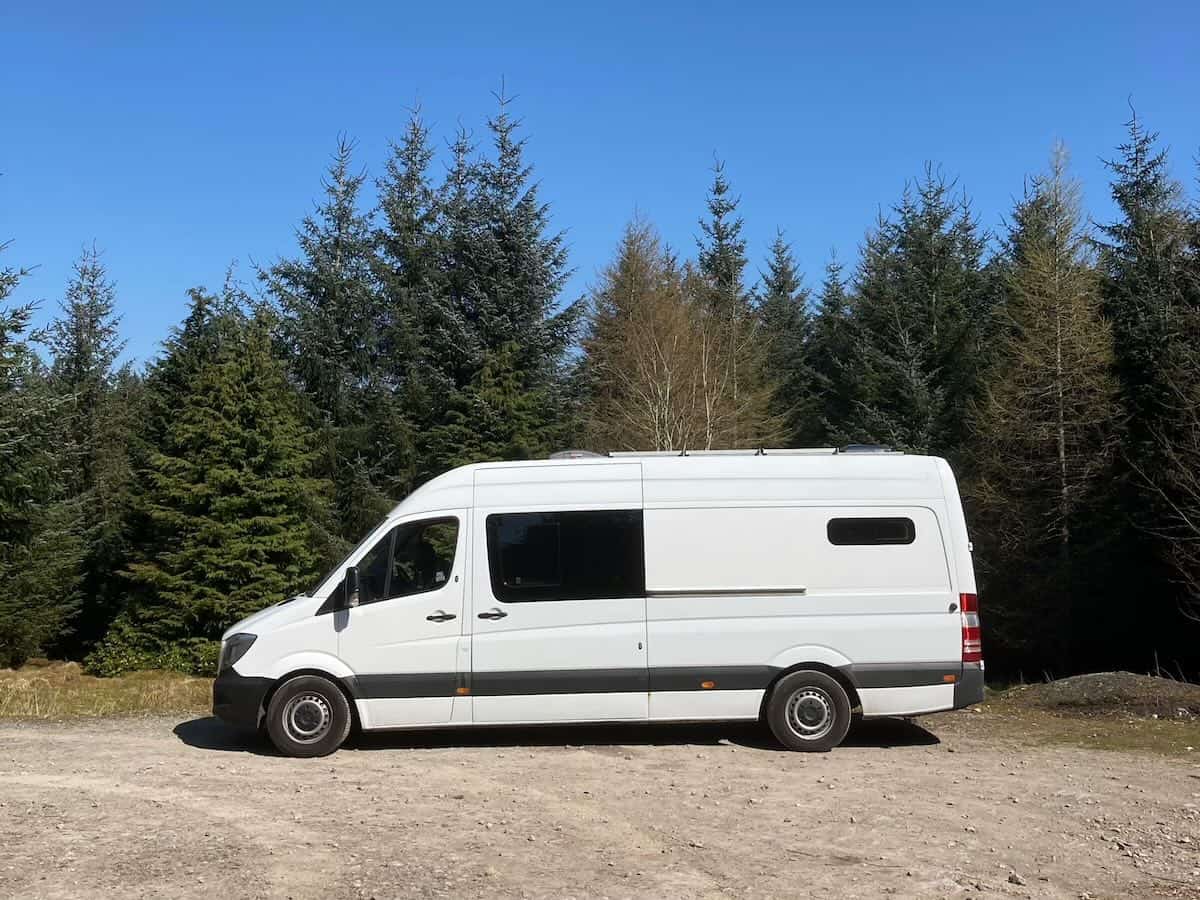
Positioning. We have windows down just one side of our van, so where possible, we park with that side facing away from where we anticipate noise might come from, whether that’s a road, a group of people, or the wind direction.
As mentioned, you can’t always control noise and we’ve had nights with barely any sleep at all when stuff outside has disturbed us. But one of the great things about being in a van is you can simply pack up and move on the next day.
8. Get Your Bedding Right
Beyond the mattress itself, having the right bedding makes a real difference, especially since van temperatures can shift more dramatically overnight than they do at home. The goal is a system you can adjust easily, rather than a single duvet that’s either too much or not enough.
We’ve already touched on this but here are a few things we recommend having:
A lightweight duvet for warmer nights, paired with an extra blanket for colder ones, so you can switch depending on the season or climate. Obviously space is a premium in a van so we don’t tend to travel with two duvets. But having a blanket or two to layer up makes a huge difference when the temperature drops.
Breathable sheets. We absolutely despise synthetic sheets and bedcovers and always opt for natural fabrics. Cotton is our absolute favourite as it’s far more breathable than synthetic materials which we find tend to trap heat. Plus cotton is moisture wicking meaning you don’t wake up in a puddle of sweat.
Having a few options on hand means you can adapt night to night and react to whatever temperature you find yourself in.
Final Thoughts
When you’re sleeping in a van, you just have to accept that there will be things that will happen which are out of your control. There will always be a night where the wind picks up, a park-up turns out noisier than expected, or something unexpected has you wide awake peering out of your window at 3am. That’s just part of the deal you sign up for when you decide to sleep in your campervan.
But most nights don’t have to be like that. Getting a proper bed, the right mattress, a good blackout setup, and a bit of a routine around feeling secure and comfortable makes a genuine difference to your van sleep.