Rabat Morocco: Everything You Need To Know Before You Go
As the political capital of Morocco, Rabat has an enchanting mix of history, culture, and modernity. It’s much less popular with tourists than other cities, but nonetheless has plenty of awesome things to do.
Certainly this Moroccan coastal city with beautiful beaches and a laid-back vibe, is also way less touristy than the likes of Marrakech or Fes. It’s hands down our favourite city in the country and keeps drawing us back time and time again.
So in this guide to Rabat Morocco we’re going to give you all the essential information that we’ve picked up from our numerous visits over the years so you can plan an incredible trip too.
Including top attractions, a few hidden gems, where to find the best food, best areas to stay in and of course how to get around.
Quick Facts about Rabat Morocco
- Along with Marrakech, Fez and Meknes, Rabat is one of the four imperial cities of Morocco.
- Rabat has been the capital of Morocco since it gained independence from France in 1955.
- Rabat is a UNESCO World Heritage Site listed as a ‘Modern Capital and Historic City’.
- The name Rabat comes from the Arabic word الرباط (a-Ribāṭ) which means fortification.
- Rabat is actually only the seventh biggest city in Morocco, the largest is Casablanca.
- The heart of the city consists of three main areas: the Medina, the Kasbah and Hassan Tower.

A Brief History of Rabat Morocco
Rabat was originally founded in the 12th century by the Almohads who were a North African Berber Muslim empire. At their height, they controlled most of the Iberian Peninsula and North Africa. But after the caliphate fell, Rabat spiralled into a long period of decline.
Throughout the 17th century it then became an important base for Barbary pirates. But when the French colonised Morocco in 1912, they made Rabat its administrative centre. Then in 1955 when Morocco was granted independence, Rabt became the capital of the country.
Where is Rabat Morocco
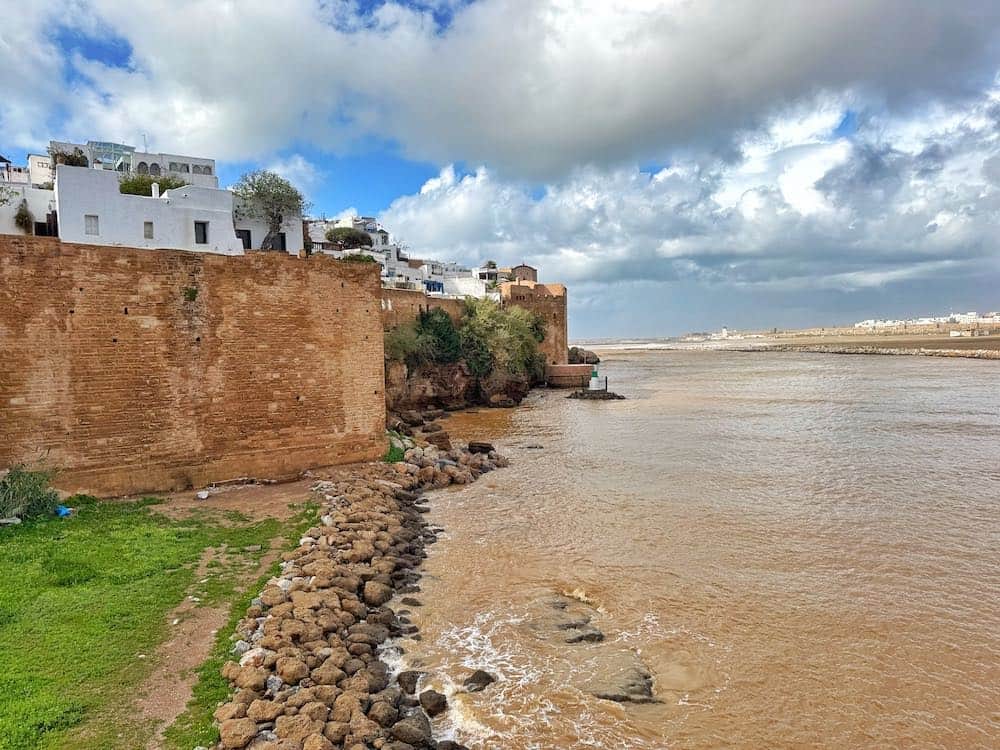
Rabat is located along the Atlantic coast in the north-west of Morocco. the north west coast of Morocco on the Atlantic Ocean. The city was built right at the mouth of the Bou Regreg river, with its sister city Salé just over the channel.
How to Get to Rabat
By Air | The nearest airport to Rabat is the Rabat-Salé Airport (RBA) which is less than 20 minutes drive from the city centre. Ryanair, easyJet, TUI fly and Air France all provide direct international flights. Alternatively there’s Casablanca Mohammed V International Airport (CMN).
By Rail | The ONCF high-speed trains (Al Boraq) which runs between Casablanca and Tangier stops at Kenrita and Rabat. But there are normal trains from most major destinations. Just be aware there are two train stations; Rabat Ville and Rabat Agdal. Both are in the city centre.
You can easily book trains online directly with ONCF here.
By Road | CTM and Supratours buses are available from other Moroccan cities. If driving yourself there’s plenty of parking both near the medina and at one end of the promenade. If you are in a campervan, most have 24/7 attendants on site and are happy to let you stay overnight.
For international car hire we always use Auto Europe.
Where to Stay in Rabat
Because Rabat has a jam packed cultural events calendar, the best spots get booked up quickly in busy periods. So especially if you have your heart set on staying in a traditional raid, it’s best to book as well in advance as you can.
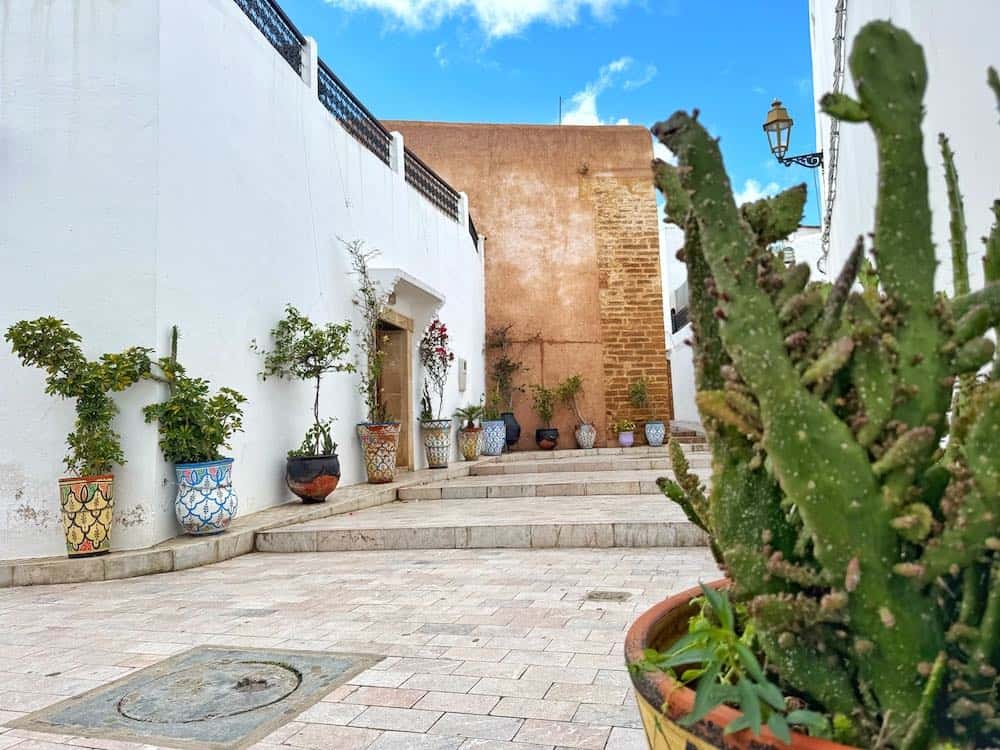
Here’s our pick of the bunch for every budget.
Luxury | Dar Shâan
Modern, yet traditional. Central, yet tranquil. Spacious, yet intimate. This place really has it all. The comfortable rooms are fully air conditioned and soundproofed. There’s a rooftop terrace with pool and stunning sunset views over the city, but the hammam is the icing on the cake.
Check reviews, prices and availability here.
Mid Range | Riad Asswar
Located in Rabat Medina, just a 10 minute walk to the beach, this traditional riad is consistently rated one of the best hotels in Rabat. If breakfast on the rooftop terrace, stunningly authentic Moroccan decor, comfortable rooms and brilliant service is a bit of you, this will be your spot.
Check reviews, prices and availability here.
Budget Friendly | Dar Oussama
Located right in the heart of the medina, the mixed dorm rooms in this Rabat hostel are basic but comfortable. The friendly and helpful staff curate a warm and welcoming atmosphere and are there 24/7. And evening tea on the rooftop provides the perfect opportunity to socialise.
Check reviews, prices and availability here.
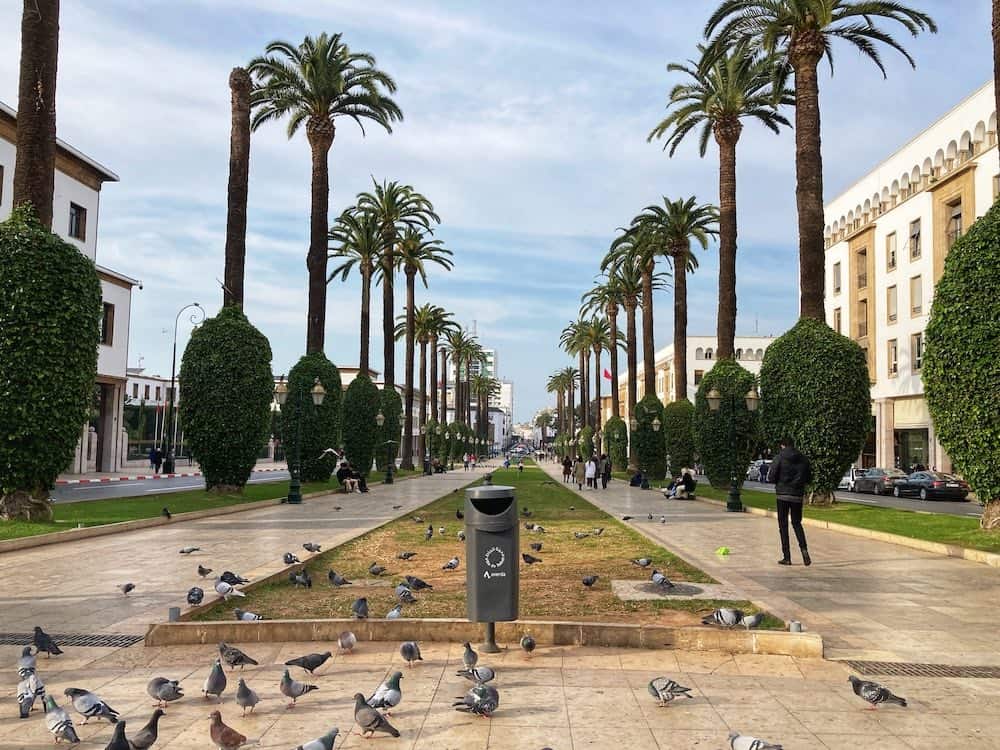
Best Areas to Stay in Rabat
If you’re looking for traditional vibes, without a doubt the best place to stay in Rabat is in the medina. It’s the beating heart of the city, with something fascinating around every corner.
For more modern amenities and nightlife, there’s Hassan and Agdal neighbourhoods.
Alternatively, if you’re after a quieter, more local experience, Salé across the river is perfect.
Search for more places to stay in Rabat here.
Top Attractions in Rabat
Kasbah of the Udayas
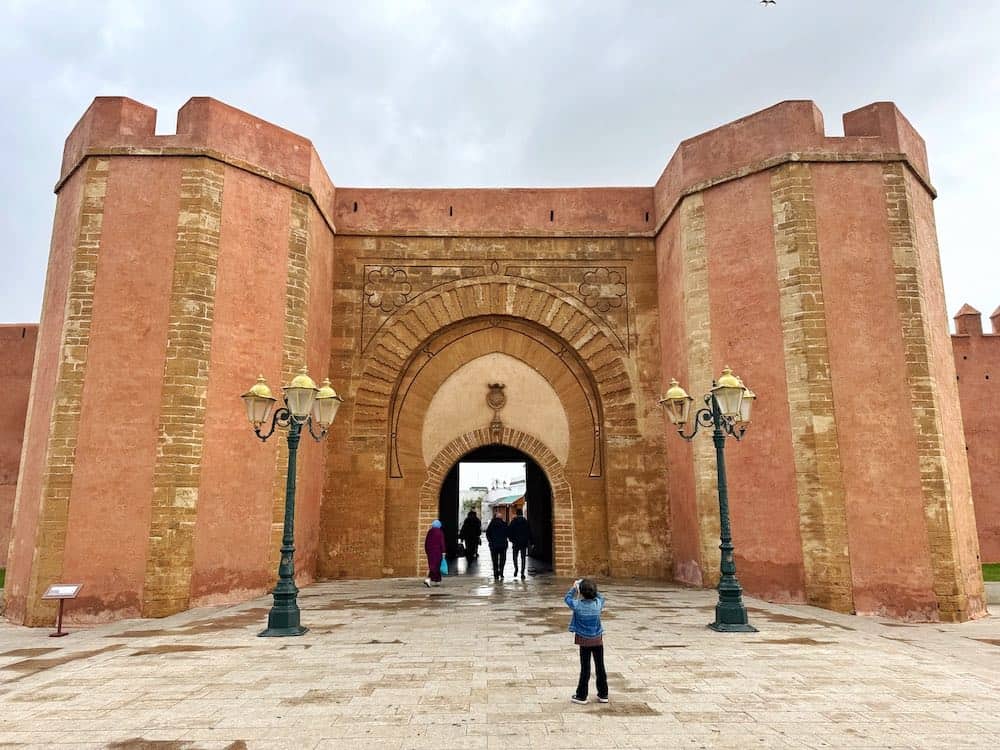
Perched on a hill at the mouth of the Bou Regreg River, the Kasbah of the Udayas was built as a defensive stronghold in the 12th century, by the Almohad Empire.
Over time, it gained a palace, mosque, and underground canal. Today, around 2,000 residents live within its iconic UNESCO-listed walls. With its grand entrance gate (Bab Oudaya), sweeping coastline views, and charming blue-and-white houses, it’s one of Rabat’s top attractions.
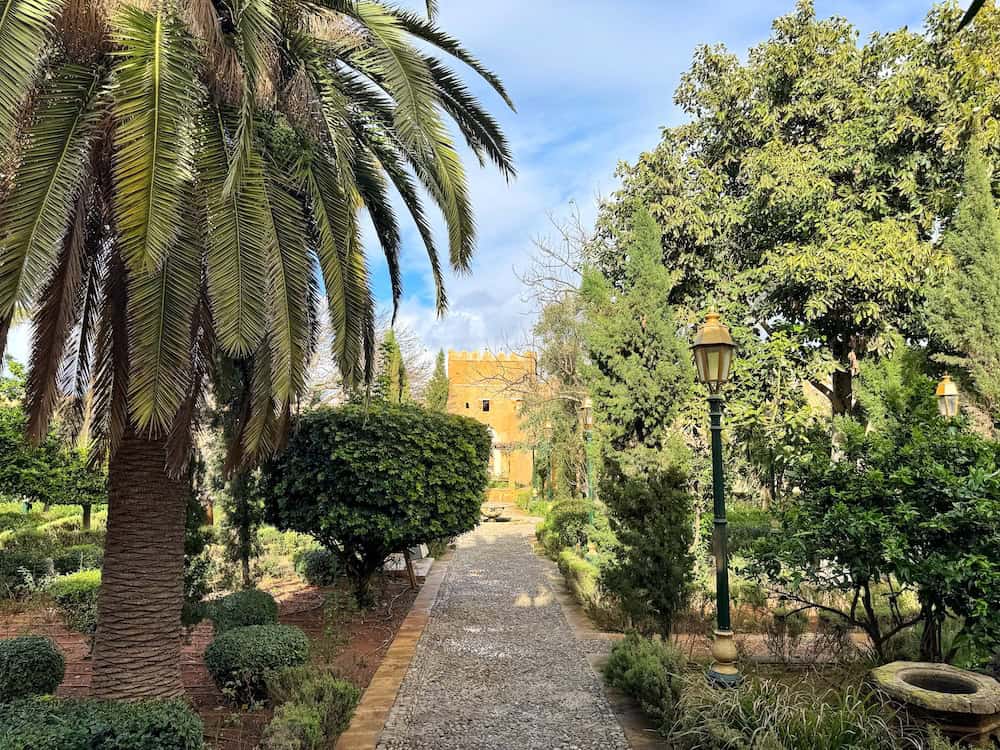
Don’t miss a stroll in the peaceful Andalusian Gardens or a tea break at Café Maure. You can also visit the Oudayas Museum, open Wed-Mon, 10:00-16:30, for 60 MAD (£5/$6).
Hassan Tower & Mausoleum of Mohammed V
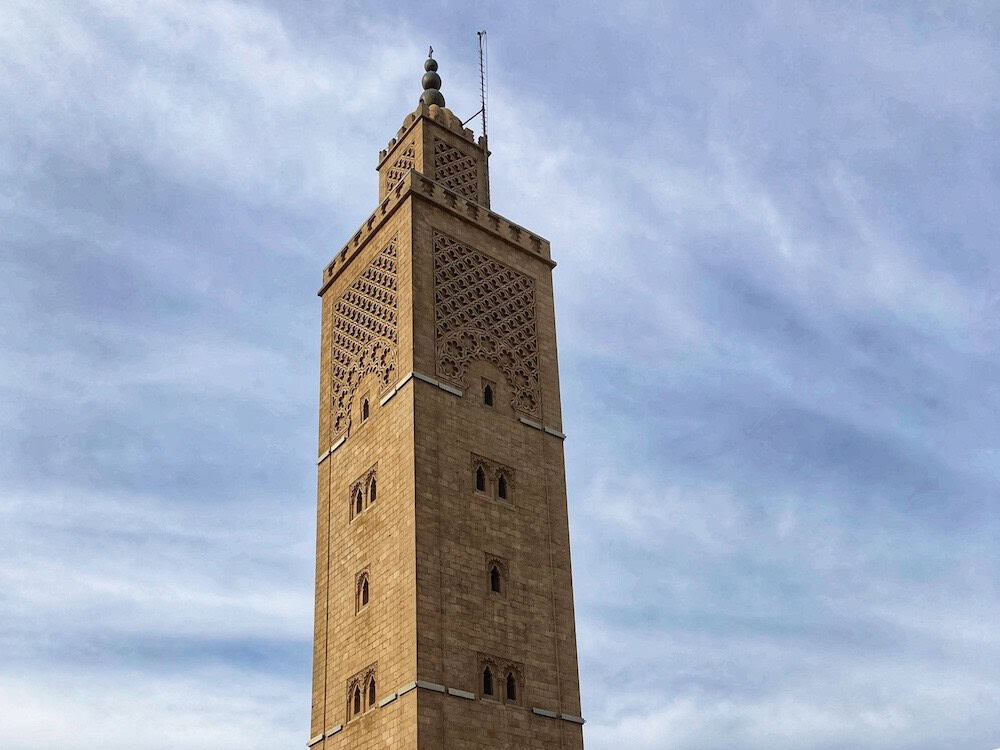
The Hassan Tower is one of Rabat’s most iconic landmarks. Originally intended as the minaret of a grand mosque commissioned by the Almohad Caliphate in the 12th century, the project was abandoned after the ruler’s death.
But the tower remains an impressive architectural feat, and is especially stunning at sunset.
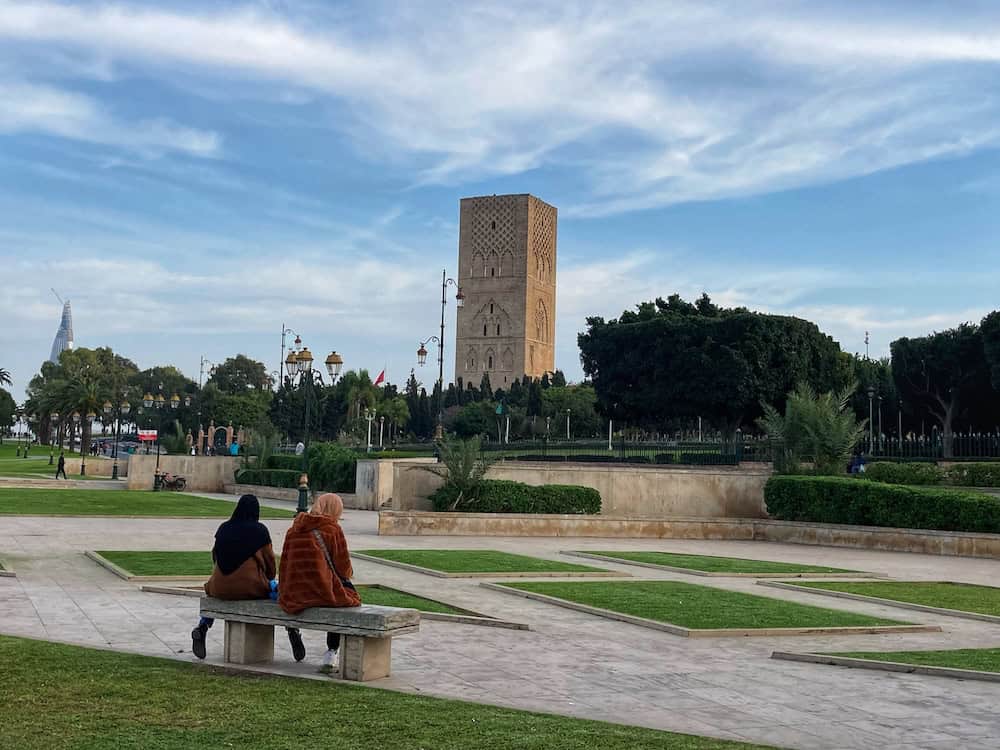
In front of the tower also lies the Mausoleum of Mohammed V, the final resting place of Moroccan royalty. Built in honor of King Mohammed V’s role in Morocco’s independence, the exquisite Moroccan architecture is truly breathtaking.
Open daily from 9am to 6pm, entry is free for everyone. It’s a real must-see in Rabat.
Chellah Necropolis
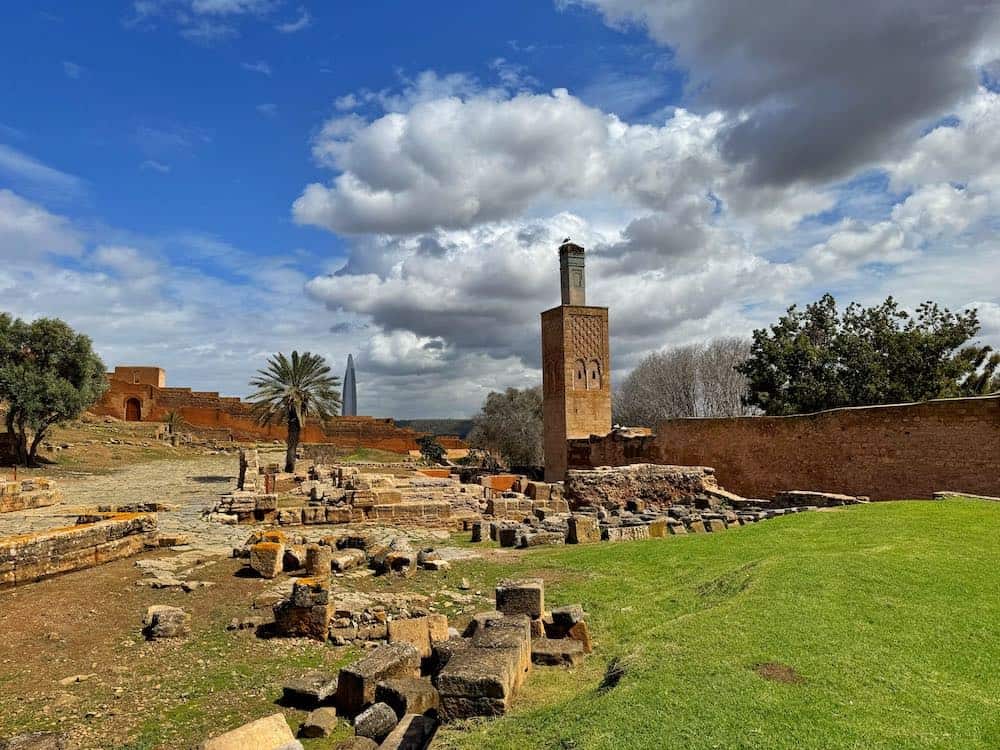
The Chellah Necropolis, built in the 14th century by the Marinid dynasty, sits on the ruins of the ancient Roman city of Sala Colonia. Blending Roman and Islamic architecture, its tombs, mosque, and ruins offer a glimpse into Rabat’s rich history.
The site is also a tranquil oasis, with lush gardens and high-perched stork nests atop ancient columns. Offering stunning river views, it’s one of Rabat’s most underrated attractions.
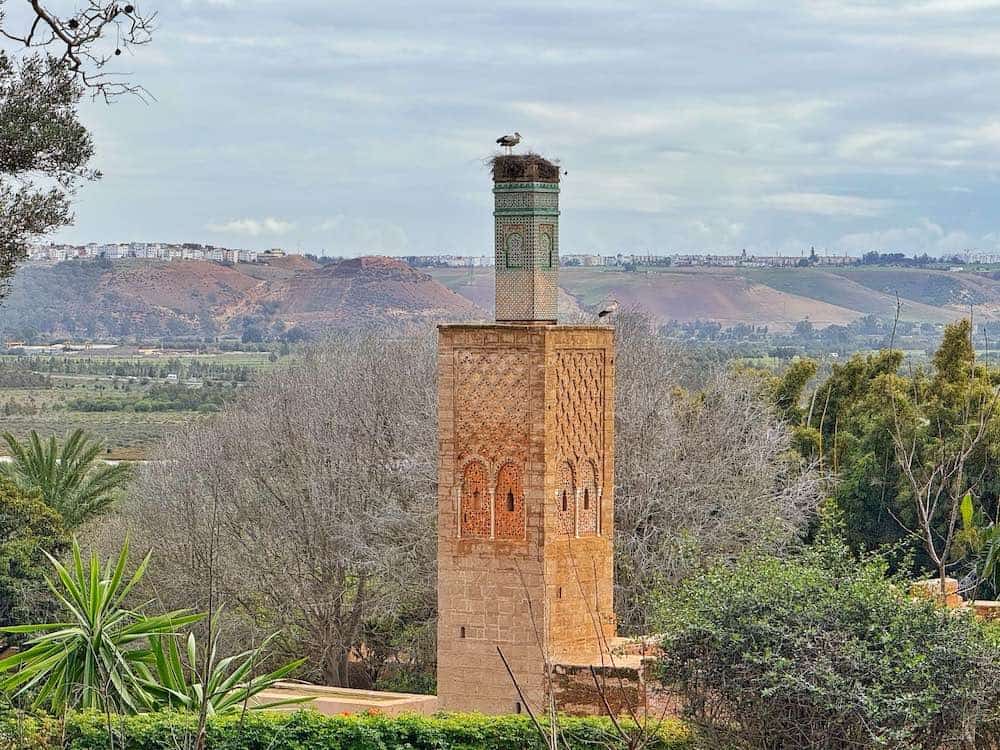
Open daily from 9am to 7pm (summer), 5pm (winter), and 3pm (Ramadan). The best time to visit is early morning or sunset. Tickets are 70 MAD (£5.60/$7) or 120 MAD (£9.60/$12) with an audio guide.
Rabat Medina
Rabat Medina is the old walled part of the city, where narrow car-free streets house markets, shops, hammams, mosques, and residences.
Unlike other Moroccan cities, Rabat’s Medina offers a relaxed and authentic experience — cleaner, less chaotic, and with fair prices for high-quality handicrafts. Tourists and locals shop side by side, creating a lively yet welcoming atmosphere.
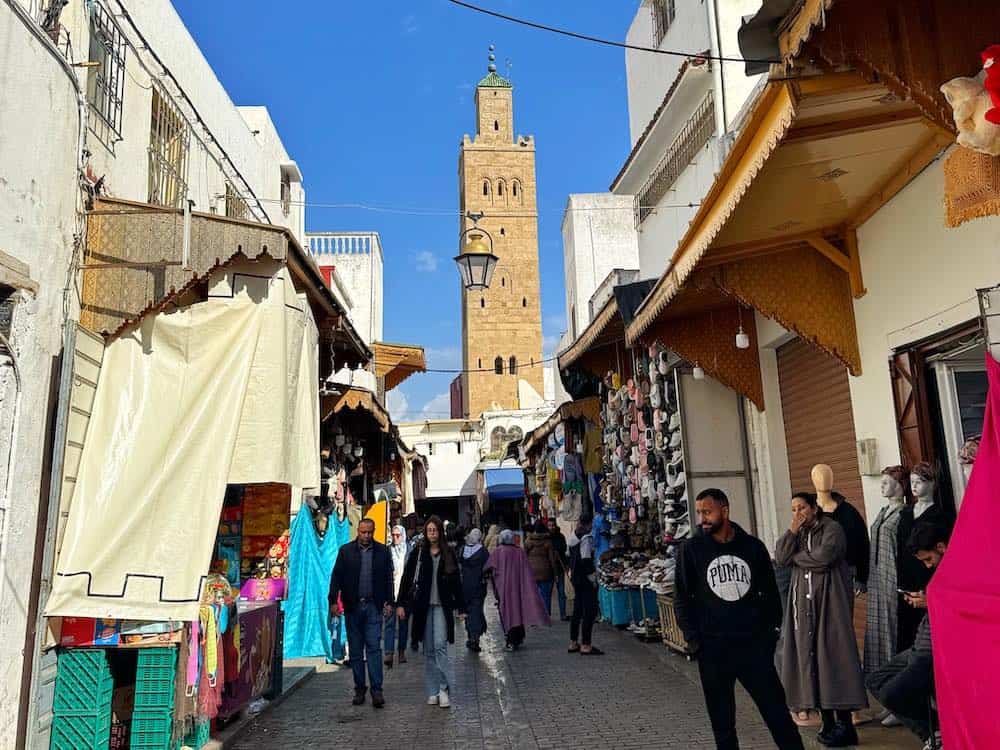
Top shopping spots include Rue des Consuls for traditional crafts, Souk es Sebat for spices and leather goods, Rue Souika for boutiques, and Marché Central for fresh produce. For an authentic slice of Moroccan life, Rabat Medina is unbeatable.
Bouregreg River & Marina
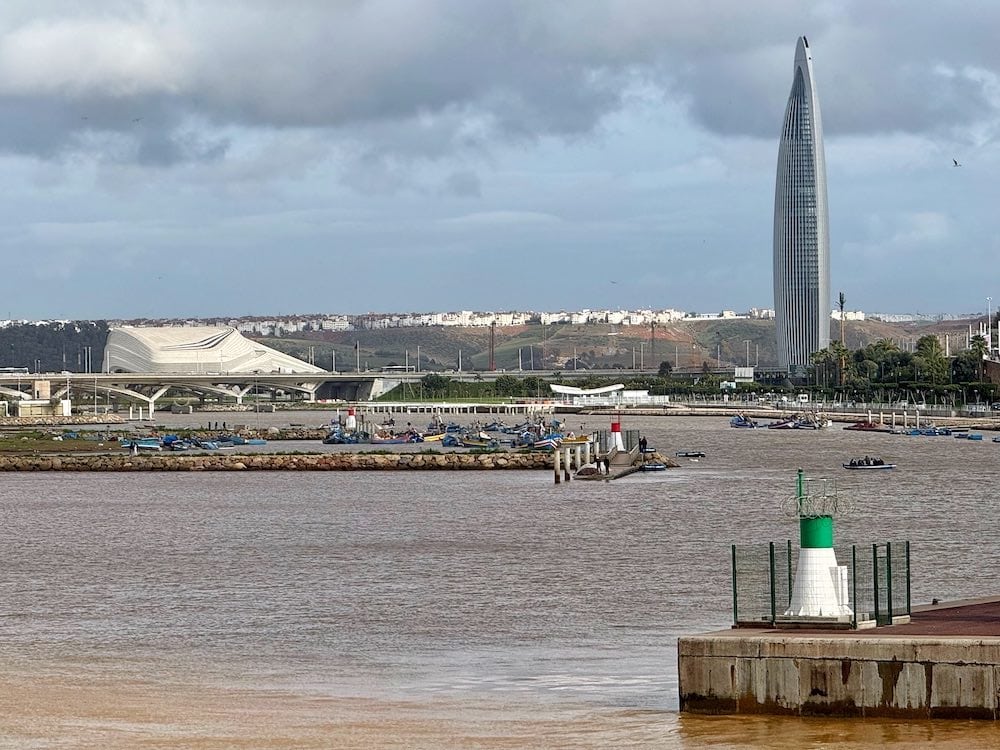
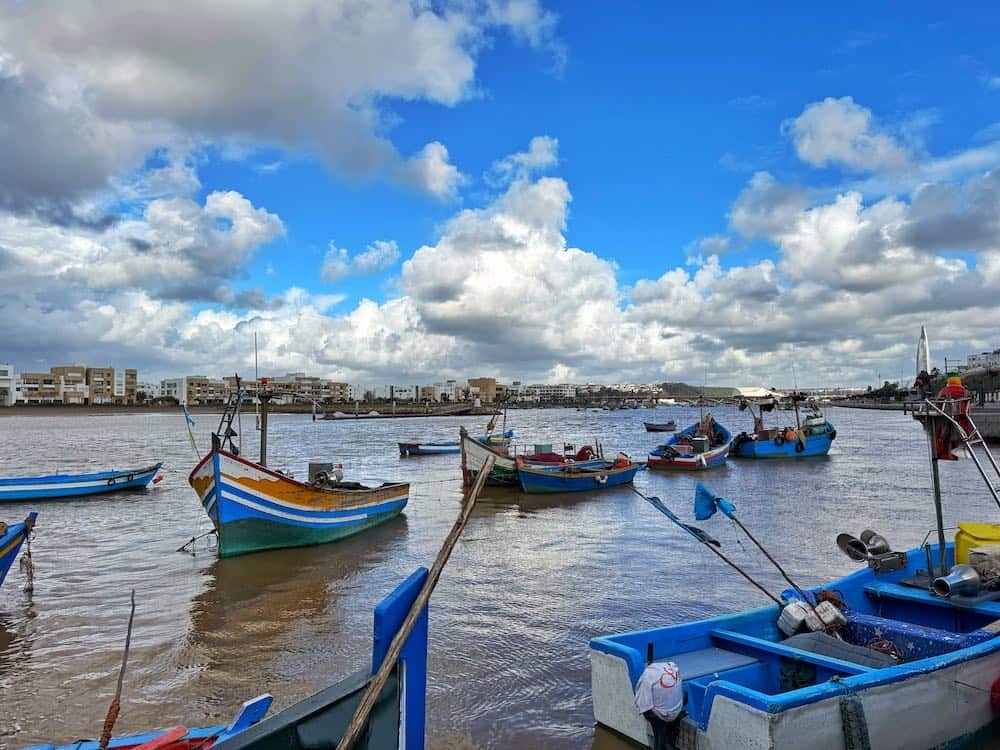
The Bouregreg River separates Rabat from Salé, offering a scenic waterfront perfect for a stroll or a drink at one of the riverside cafes. You can hop on a ferry for a quick, inexpensive trip across to Salé, where the newly developed Bouregreg Marina is worth exploring.
For a romantic experience, consider a sunset boat cruise followed by a traditional Moroccan dinner — pure magic. Whether you’re sightseeing or simply relaxing, the riverfront’s picturesque views make it a must-visit spot in Rabat.
Rabat Beaches
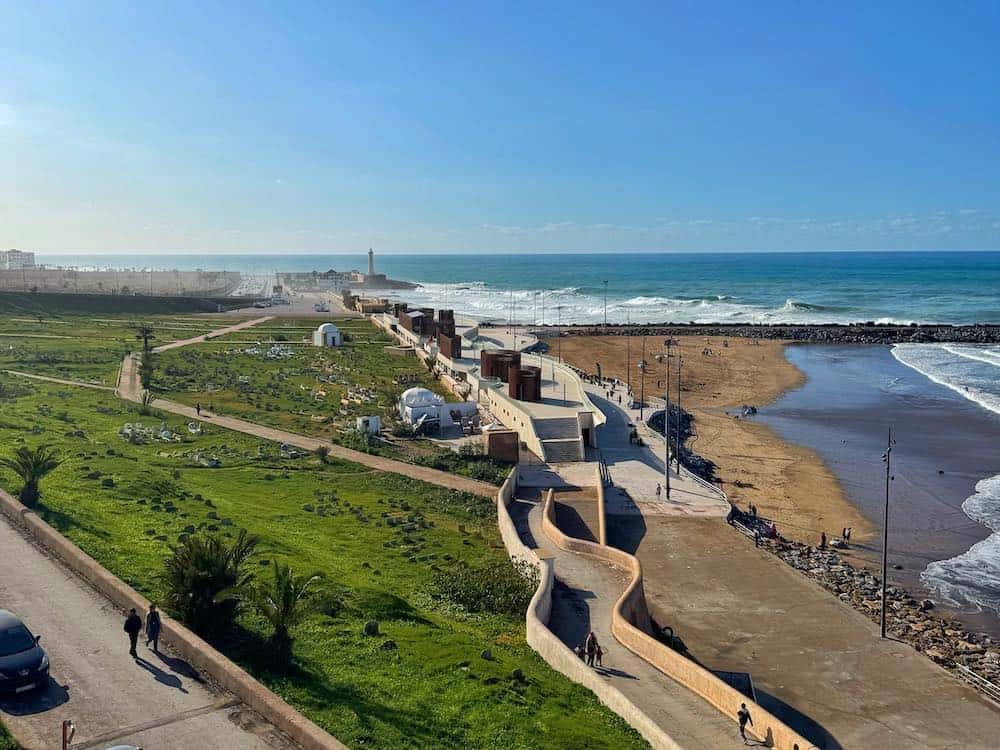
Rabat has several beaches to choose from, each well loved for different reasons:
- Plage de Rabat is the most accessible, great for surfing and watersports, but gets crowded in summer and could be cleaner.
- Across the river, Plage de Salé Ville offers more space, calm waters for swimming, and views of Kasbah of the Oudayas, though it lacks amenities.
- For a cleaner, scenic spot, Plage des Nations (25 km north) is perfect for advanced surfers, with beachfront cafes but strong currents for swimmers.
- South of Rabat, Plage de Skhirat (25km) is family-friendly, supervised, and close to hotels with dining options. Buses, taxis, and parking are available for all.
Day Trip to Salé
Just across the Bouregreg River lies Salé, Rabat’s quieter twin city. Life here moves at a slower pace, offering a glimpse into traditional Moroccan culture.
Historically significant, Salé sparked Morocco’s independence protests in the 1950s and was once a base for Barbary pirates raiding Europe’s coasts. Today, explore the maze-like Salé Medina, admire the intricate artwork of the Great Mosque, or visit the beautiful Madrasa of Abu al-Hassan, a medieval Quranic school.
Salé is also known for exceptional craftsmanship, with pottery, ironwork, and basketry sold at lower prices than in Rabat. Small boats run across all day for a few dirhams.
For more items to add to your Rabat itinerary, read this dedicated guide to things to do in Rabat.
Where to Eat in Rabat
When it comes to where and what to eat in Rabat you have a huge variety of types of different food to get your tastebuds around. There’s traditional Moroccan cuisine, some of the best street food in the country plus also plenty of international and modern dining options.
Best Traditional Moroccan Restaurants
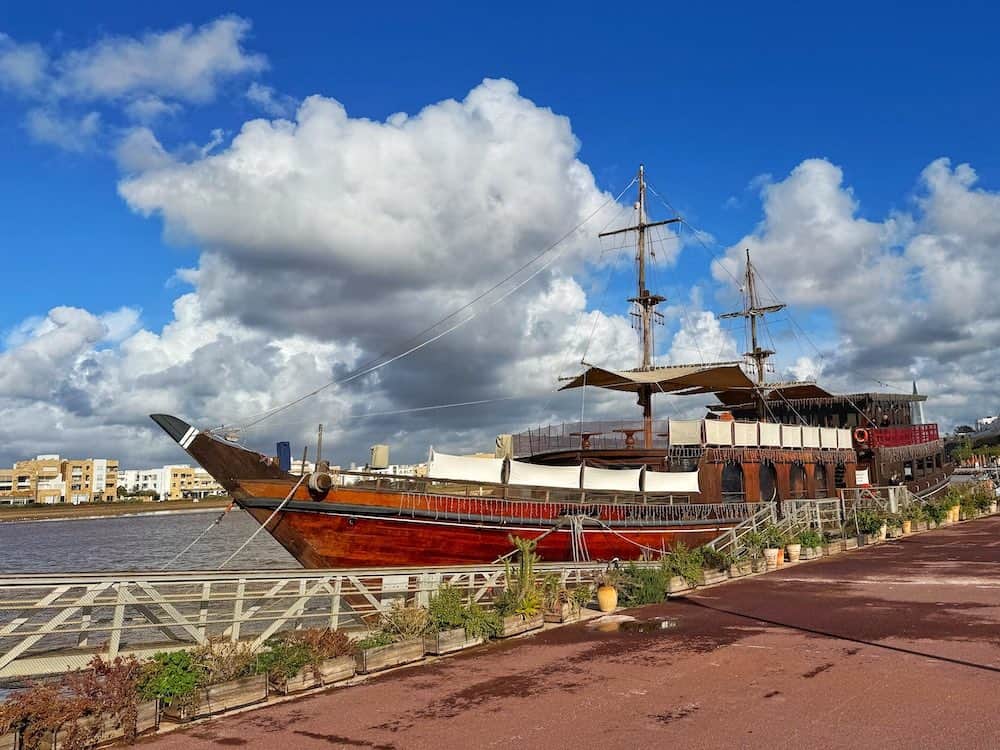
Le Dhow | This unique floating restaurant and bar in Rabat, Morocco, is set aboard a traditional wooden ship on the Bouregreg River. The vibrant but chilled atmosphere and waterfront views out over the Atlantic Ocean are really special, especially at sunset.
Opening Times: Everyday from 11am until 2am and until 4am Friday, Saturday and Sunday
Address: Quai de Bouregreg, Avenue Al Marsa, Rabat
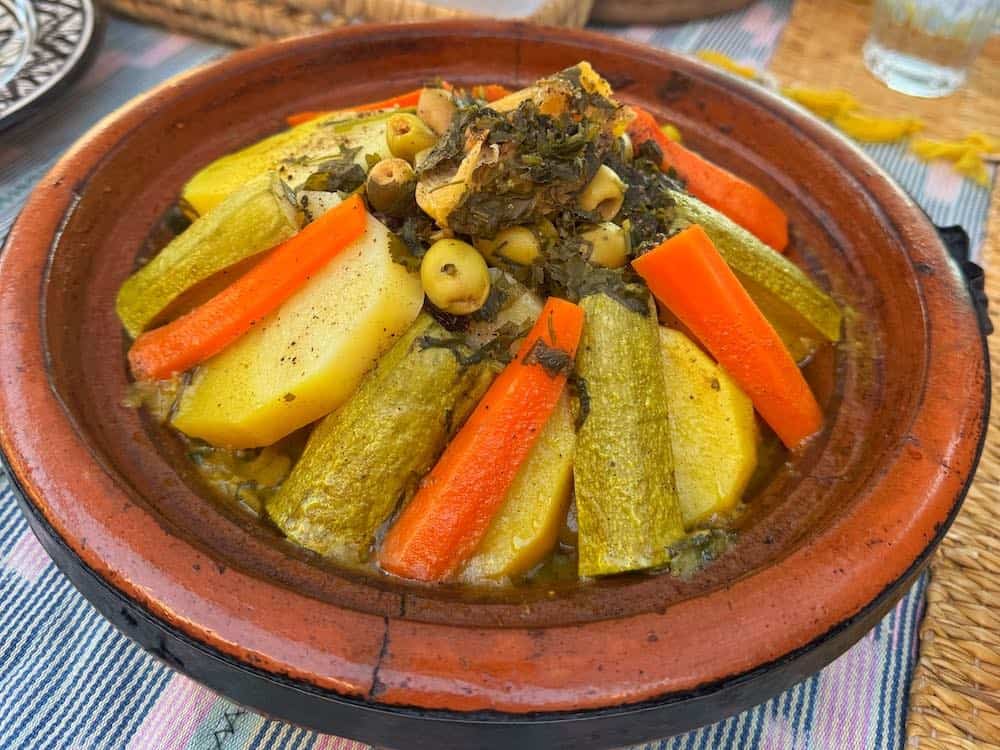
Dar Rbatia | This charming traditional Moroccan restaurant in Rabat offers an authentic dining experience in a beautifully restored riad. Known for its warm ambiance and rich décor, it serves classic Moroccan dishes like tagines, couscous, and pastilla.
Opening Times: Everyday from 11am until 11:45pm
Address: 6 Rue Farane Khachane, Rue Sidi Fateh, Rabat
Best Place for Street Food & What To Try
Without a doubt the best place to get your gob around some Moroccan street food in Rabat is the Medina. You will be spoilt for choice. But here’s some of our top tastes to get you started.
Two popular local snacks in Rabat are Maakouda, a crispy fried potato fritter, and Habricha, a flavorful mix of minced meat, onions, garlic, spices, eggs, and hot pepper sauce. Both are typically served in bread as hearty sandwiches, making them ideal for a quick lunch or dinner.
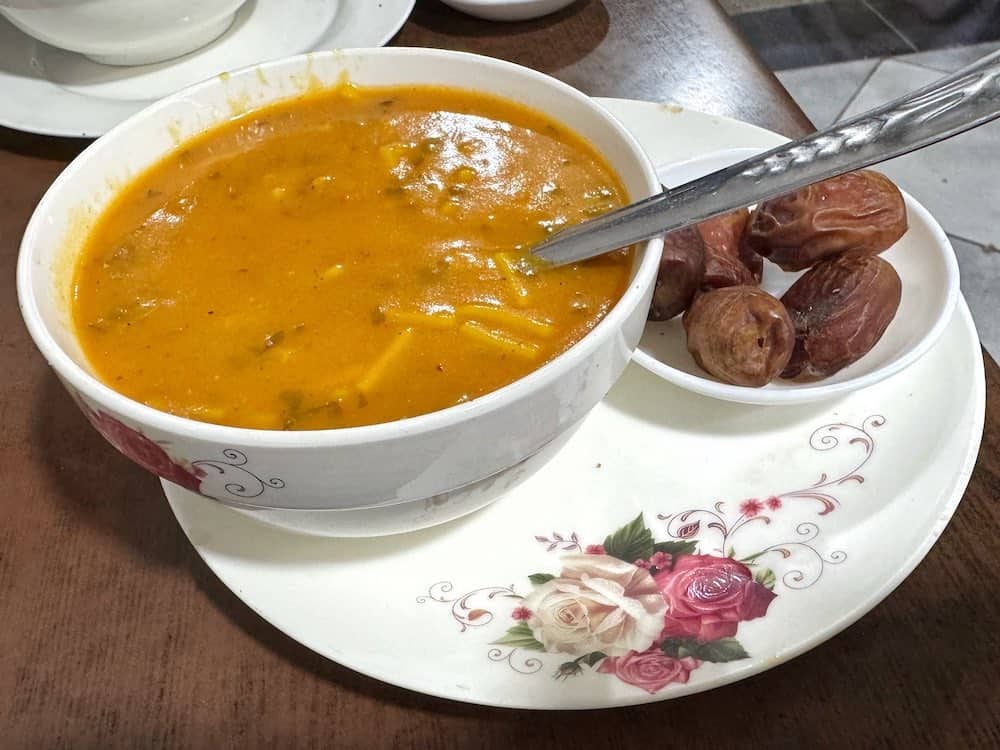
One of our personal favorites is Harira, a rich and hearty tomato-based soup packed with lentils, chickpeas, fresh herbs, and warming spices. Another must-try is Bissara, a thick and creamy soup made from mashed split fava beans, flavored with garlic, cumin, and a generous drizzle of olive oil.
The aroma of sizzling barbecues grilling up flavorful merguez sausages and meat skewers will fill the air, while hot plates fry buttery msemen flatbreads to perfection.
For something sweet, crispy khringo donuts are a delicious treat, especially when paired with a steaming cup of mint tea or coffee.
Stuffed fried sardines are also a hugely popular quick dish to grab in Rabat.
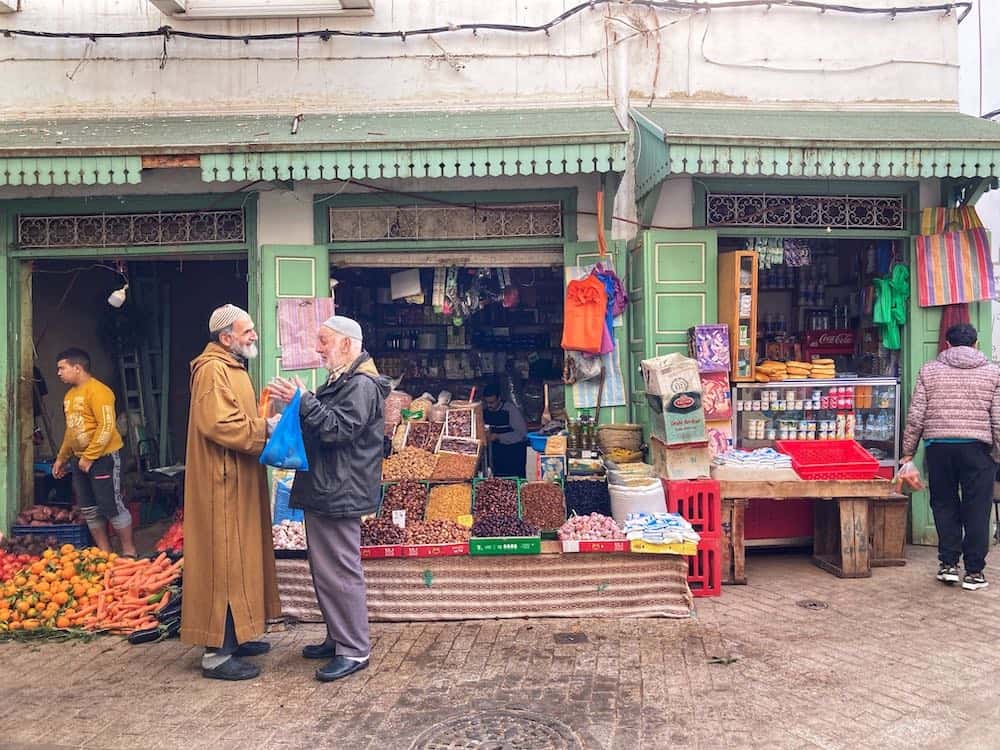
As you wander through the market, you’ll also come across freshly squeezed sugar cane or pomegranate juice, perfect for a refreshing pitstop. You’ll find plenty of other treats too, like plump, juicy dates and an incredible variety of olives — more than you could ever imagine!
Best International & Modern Dining Options
Ty Potes | A cozy and vibrant bistro in Rabat, Morocco, known for its relaxed atmosphere and tasty French-Mediterranean cuisine. Popular with locals and expats alike, it offers a variety of fresh dishes, from tapas to hearty mains, along with a great selection of wines.
Opening Times: Tuesday and Wednesday from Midday - 2:30pm, Thursday to Saturday from Midday - 2:30pm and 6:30pm - 10pm. Closed Sunday and Monday.
Address: 11 Rue Ghafsa, Rabat
Villa Mandarine | The restaurant at this boutique hotel offers an elegant dining experience, blending Moroccan and Mediterranean flavors. Set within lush gardens, it provides a serene atmosphere for guests to enjoy a romantic dinner or a relaxing gourmet meal.
Opening Times: Everyday from 12:15pm to 22:30pm - booking advised.
Address: 19 Rue Oulad Bou’sbaa, Rabat
Best Spots for Moroccan Mint Tea
Café des Oudayas | Located in the historic Kasbah of the Oudayas, this popular cafe in Rabat offers stunning views of Salé over the Bouregreg River. Known for its traditional Moroccan charm, it serves mint tea, Moroccan pastries, and light snacks on a peaceful terrace.
Opening Times: Everyday from 10am until 8pm
Address: Kasbah of the Oudayas
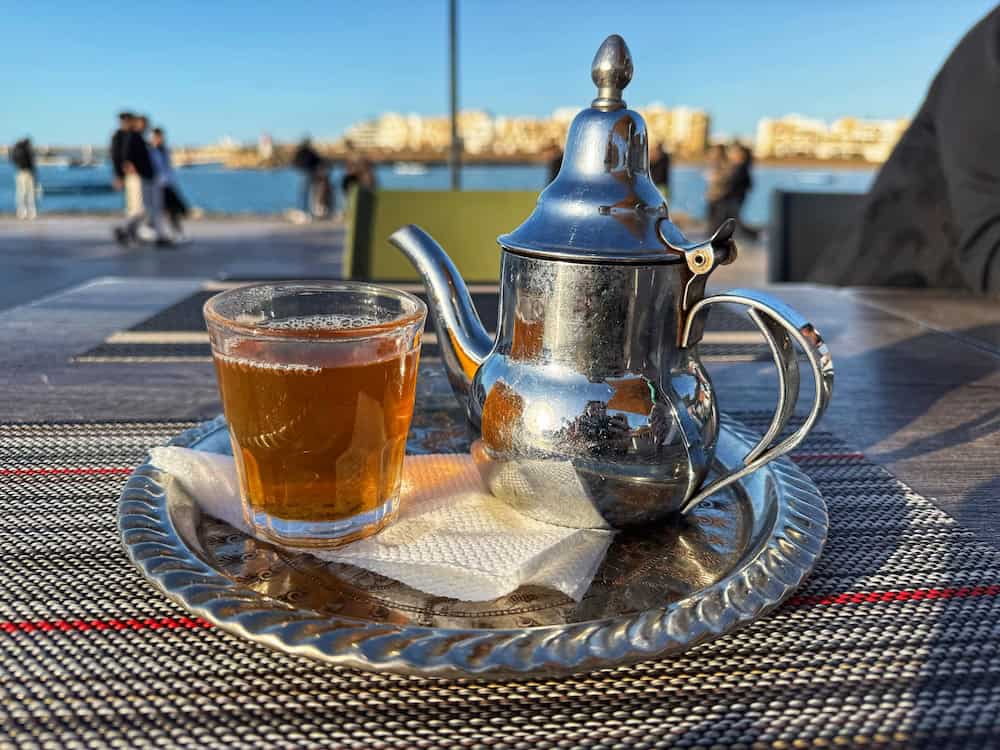
Café El Bahia | Tucked inside the medina, this favorite cafe in Rabat is known for its friendly service and casual vibe. It’s a great spot to enjoy coffee, light bites, or a even a hearty meal if you’re hungry. All while soaking in the local ambiance of the beautiful city.
Opening Times: Open everyday from 7:30am to 11:45pm
Address: Bab Lbouiba, 4 Avenue Hassan II, Rabat
How To Get Around Rabat
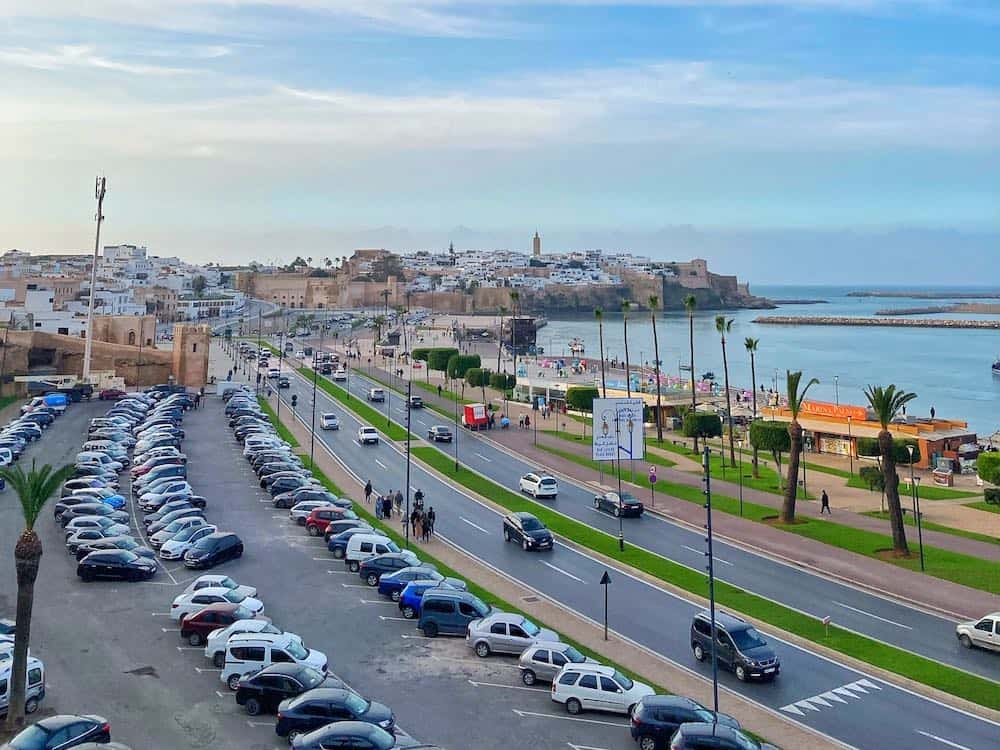
Rabat is a very walkable city, so if you’re the kind of traveller who enjoys getting your steps in, you really don’t need more than your own two feet to explore it.
There are however a few Rabat attractions that aren't within walking distance of the centre, such as Rabat Zoo and some of the best beaches. Or if you’re in Rabat, Morocco for only a short time, you may just want to squeeze more into your itinerary using public transport or taxis.
Rabat Tram System
The trams are the favoured way for both residents and tourists to get around the city of Rabat. This is because it’s clean, efficient, cheap and you don’t get stuck in traffic.
There are two lines running between Rabat and neighbouring Salé and are very easy to use.
Operating hours are 6am - 11pm everyday. They are less frequent on evenings and weekends, but you won’t be waiting more than 20 minutes. You can find the timetable and map here.
The cost of a single fare is 6 MAD and that allows you to travel along the entire network for one hour from validation, which you must do each journey.
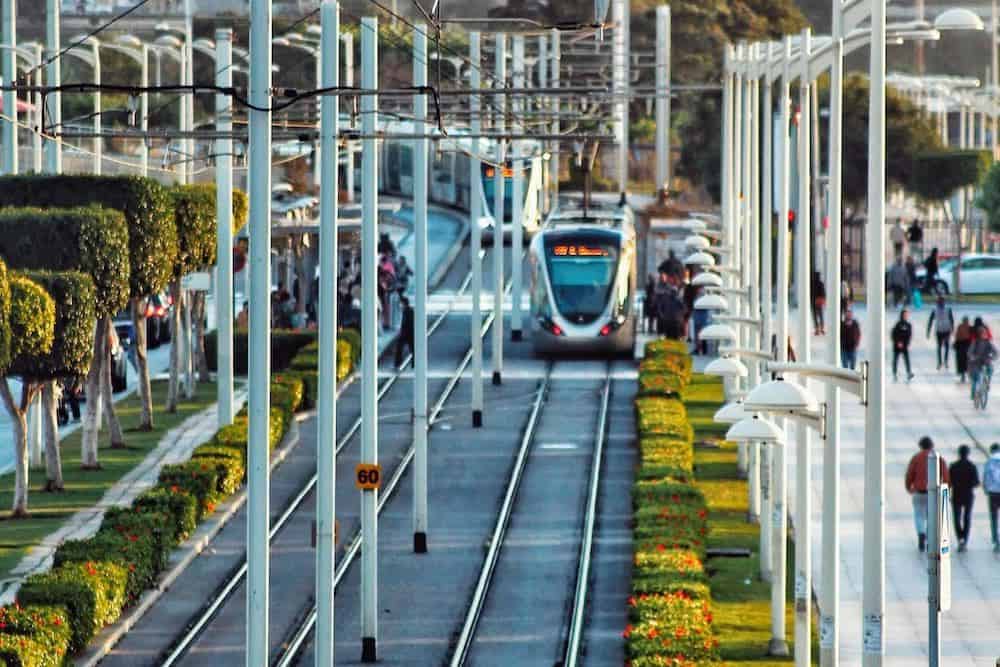
You can either purchase tickets at the kiosks at any tram station or through the app Tram Mobile. We prefer the app as it’s straightforward and avoids queuing at the kiosks. If you opt to get tram tickets at the kiosks, it’s best to grab a few as they remain valid until validated.
There is an extension of the tram network planned which is due to be completed by 2028.
Rabat Bus Network
There is also a modern bus system which provides a much more extensive public transport network. A single one way fare is 5 MAD and you can pay the driver directly in cash. It’s best not to use notes bigger than 20 MAD as they often won't change it.
You can find the routes and times on Google Maps by putting in your location and destination. Just be aware that the times can sometimes be unreliable and it’s best to avoid rush hour.
Rabat Taxis
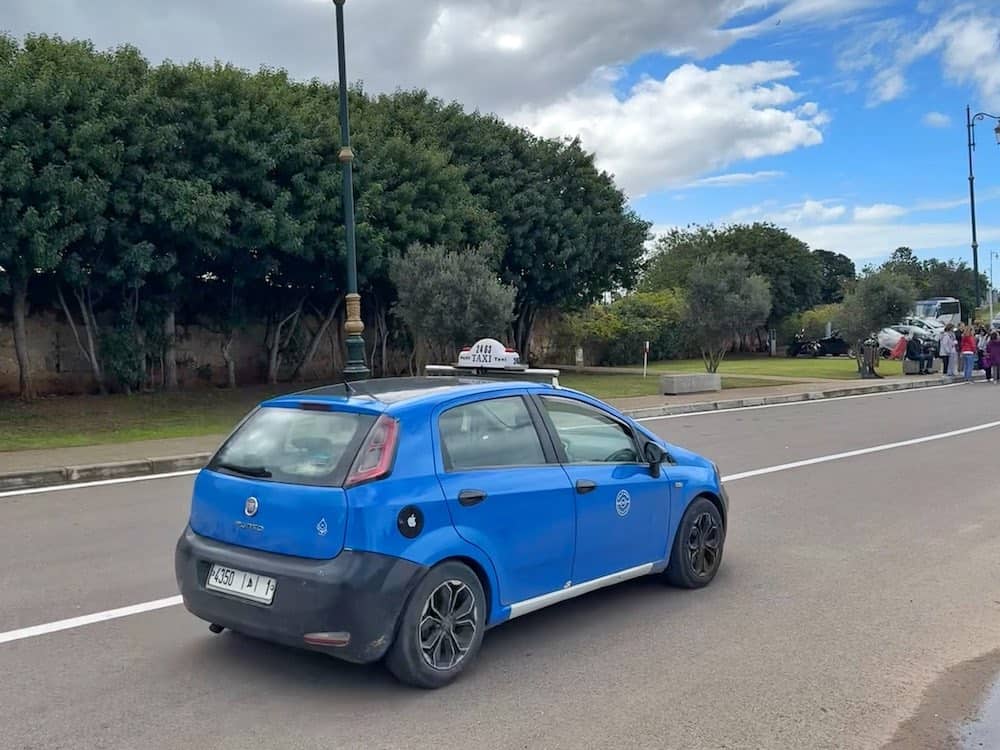
Petite taxis in Morocco are different colours depending on which city you are in. In Rabat they are a deep marine colour. They are a very convenient way to get around Rabat and most tourists will find the cost inexpensive. Fares start at around 7 MAD.
Always ask for the meter to be put on and it’s polite to round up the cost by 5-10 MAD.
You will also see larger ‘Grand Taxis’, that can seat more people. But these are used more for longer intercity travel or shared rides.
Shopping & Souvenirs in Rabat
Just one of the many reasons that we love Rabat so much is because the shopping experience in the Medina is so much more chilled than other Moroccan cities. The quality and variety of handmade goods is also ridiculously good. Here’s the best places to shop and for what.
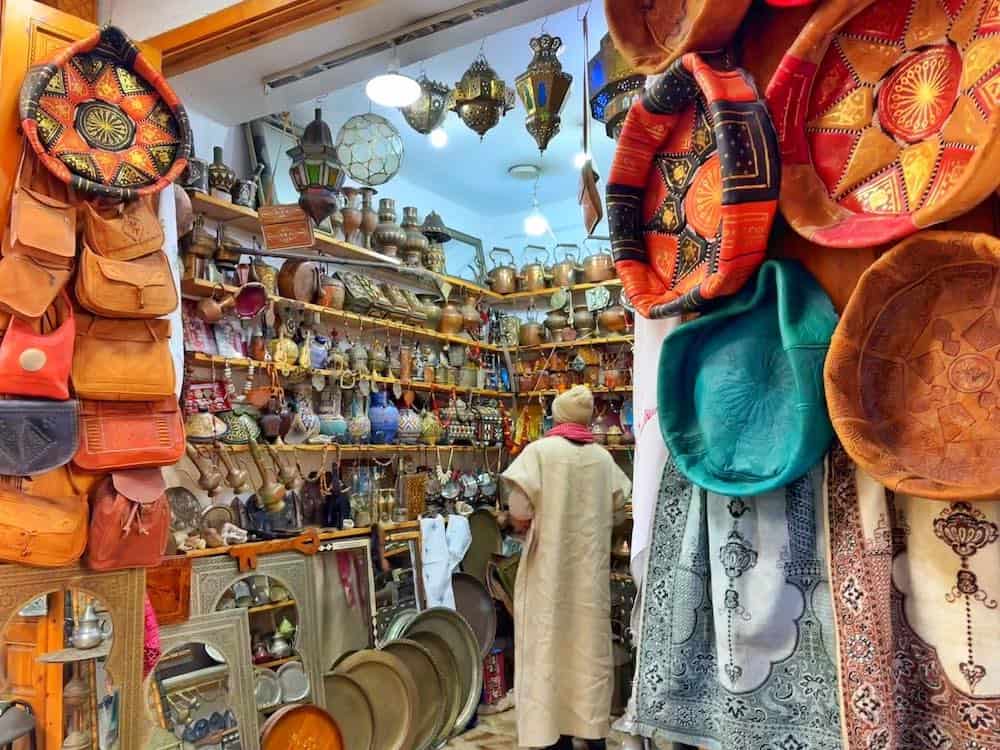
Rue des Consuls | The street has a 500 year old history of hand making colourful textiles, ceramics and jewelry. If you are looking for kitchen ware or a rug this is the place.
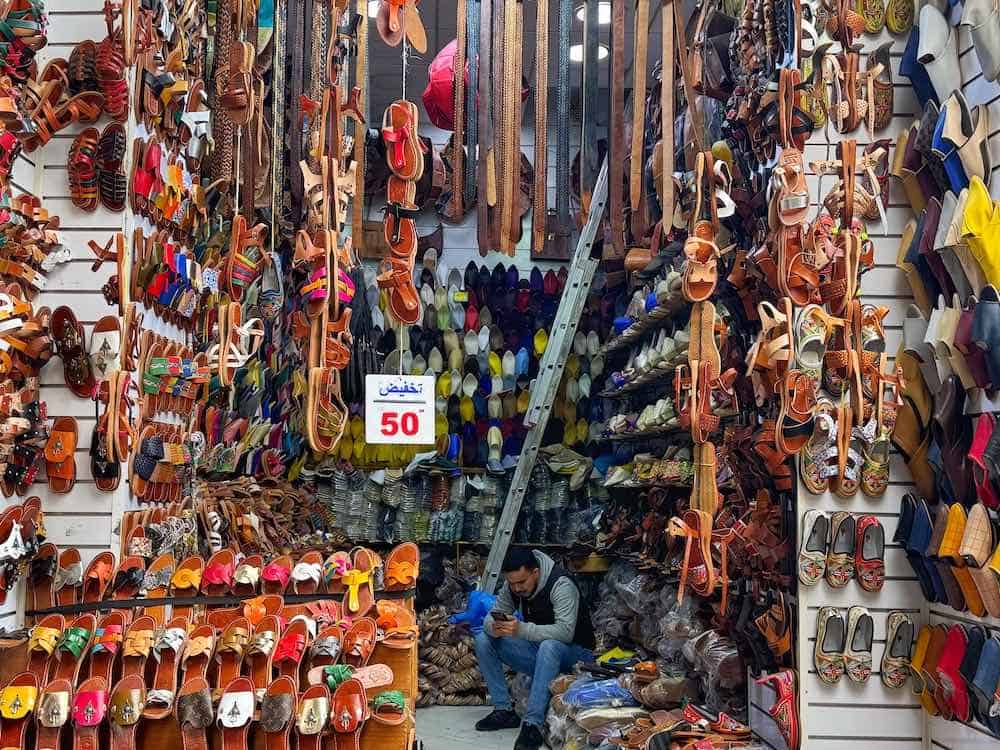
Souk es Sebat | If high quality handmade leather handbags and traditional Moroccan slippers (babouches) are on your souvenir shopping list for Rabat, this is the market to head for.
Rue Souika | This street has more of an upmarket boutique and contemporary vibe.
Marché Central | This fresh produce market is bursting with life and truly captivates the senses.
Rue Boukroune | For an early morning traditional grocery shopping experience, this is it.
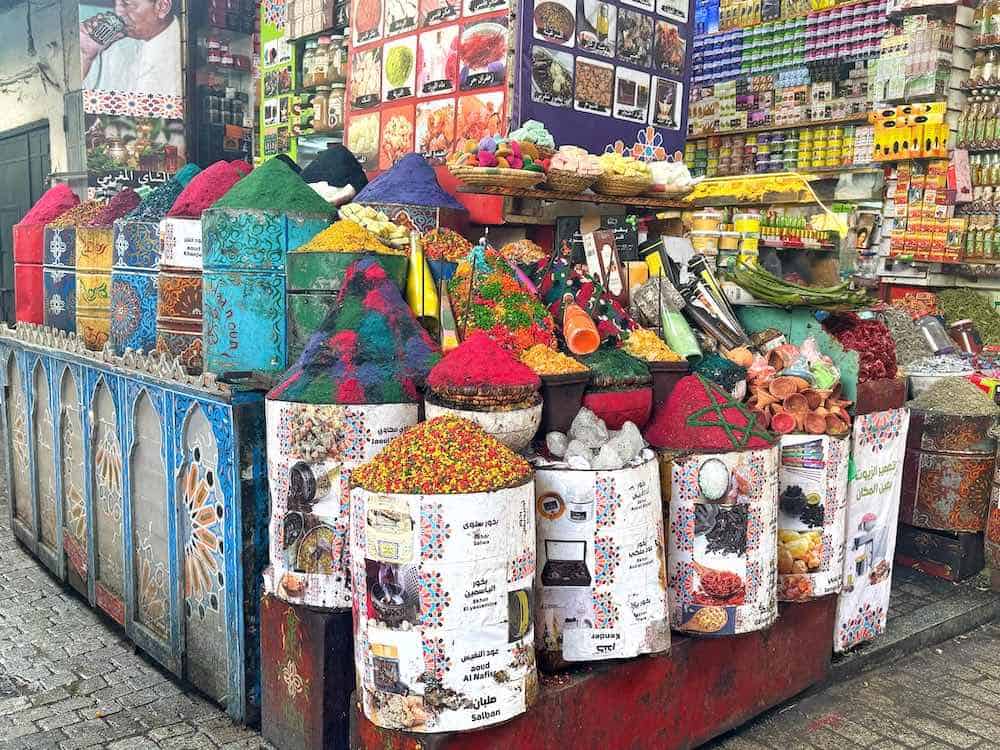
You’ll also find shops and stalls specialising in Argan oil and Moroccan spices dotted throughout Rabat medina. It’s kind of impossible to wander through without something catching your eye.
Rabat’s Nightlife & Entertainment
While Rabat isn’t known for its nightlife, there are still plenty of spots to enjoy a late evening out, often with live music - and alcoholic drinks if that’s what you’re after.
Best Bars in Rabat
Le Dhow | A floating bar-restaurant docked on the Bouregreg River, offering a stunning setting with beautiful views. It’s one of the few places in Rabat that serves alcohol.
Upstairs | An Irish pub perfect for a laid-back night with friends. It has a lively, welcoming atmosphere, great service, and classic pub fare like burgers and pizzas.
Le Chill | A small bar with a strong music scene—live bands on Fridays, a DJ on Saturdays, and karaoke on Sundays. They also serve decent food and alcoholic drinks.
La Bodega Toro Loco | A lively Spanish tapas bar offering reasonably priced tapas, wine, and beer. It has a great atmosphere, shows football, and gets quite busy on weekends.
Other options include Shoko Lounge, El Cielo, Havana Lounge, and Amnésia Club, though service - especially at the door - can be inconsistent.
Live Music & Cultural Performances
Rabat National Theatre | Just inaugurated in 2024 as part of an initiative to promote the arts and cultural development of Morocco you’ll find lots of concerts and performances on here.
Mawazine Music Festival | Each summer Rabat hosts one of Africa’s largest music events. Meaning ‘rhythms of the world’ in Arabic, there’s some big name international and local artists.
Jazz au Chellah Festival | If visiting in September this popular jazz music festival, set amongst the atmospheric ruins of the Chellah Necropolis, is a must experience in Rabat.
Rabat International Film Festival | One for movie buffs. This annual event held each June, celebrates global cinema with screenings, competitions and cultural discussions.
There’s also lots of other local film, dance, and art festivals going on throughout the year.
Essential Travel Tips for Rabat
Best Time to Visit Rabat Morocco
When it comes to the weather, the best time for visiting Rabat Morocco is when it’s not too hot and not too cold. Spring (March - May) or Autumn (September- November) are perfect.
Summer (June - August) can get seriously hot, but it’s also great for the beaches.
Safety & Cultural Etiquette
Rabat is one of Morocco’s safest cities in the country, especially in the main and touristic areas.
Nevertheless, you should be mindful of your personal belongings and stay vigilant during late night hours, especially when walking alone.
Out of respect for the conservative culture, it is advisable to dress modestly. Especially when visiting religious sites. For women in particular this means covering your shoulders and knees.
Public displays of affection between heterosexual couples are very much frowned upon. Sadly many LGBTQIA+ travellers feel Morocco is not a safe destination for them.
With regards to tipping etiquette, 10% of the bill is appreciated in restaurants and taxis.
Money & Budgeting
The currency is the Moroccan Dirham (MAD) and it is closed. Which means that you can’t exchange it outside of the country. And whilst it is possible to pay in some shops and restaurants by card, you will also need cash.
The best ATM is Al Barid bank which is usually attached to a Post Maroc. This is because they do not charge transaction fees and it can be extortionate at some banks.
In terms of an average daily budget, here’s a quick guide; budget: $30-50/day, mid-range: $60-100/day and luxury: $150+ per day.
Language & Communication
The two languages spoken in Rabat, Morocco are French and Arabic. And specifically the Moroccan dialect of Arabic called Darija. English is becoming more common, especially in tourist areas and hotels and restaurants will speak English and Spanish.
But don’t expect stall holders, taxi drivers or even police officers to speak much English.
As most Moroccans are bilingual, they often switch between the two languages which can be confusing. However, you will find it helpful to know a few basic French or Arabic phrases.
Morocco Visa Requirements
Whilst visa requirements depend on your nationality, many tourists (including those from the UK, the EU, Canada and the US) can enter Morocco visa-free for a period of up to 90 days.